
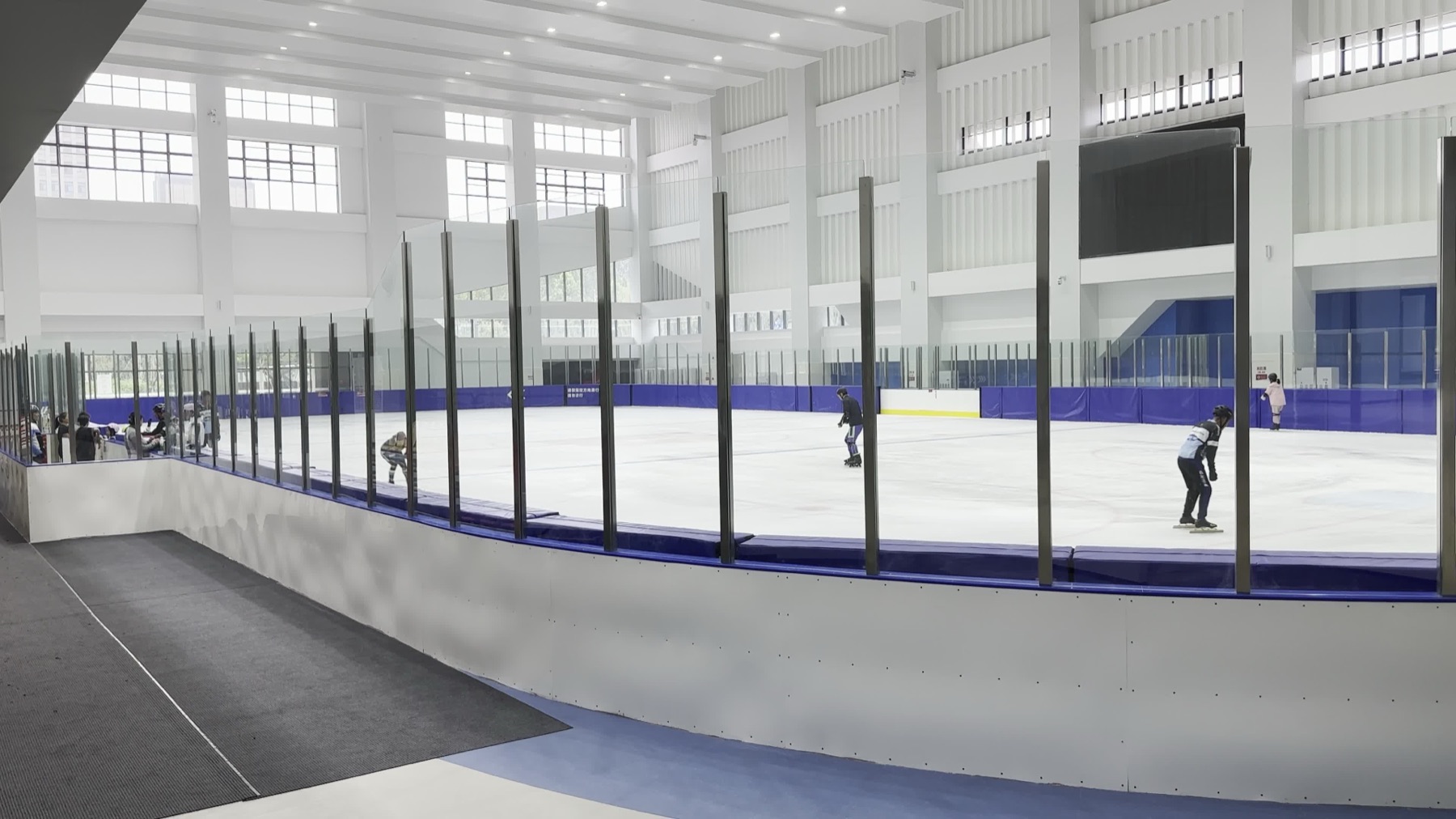
Humidity control
Dehumidification direction based on moisture load, outdoor air, occupancy and the condensation risk at the ice surface.
PRODUCT / 04
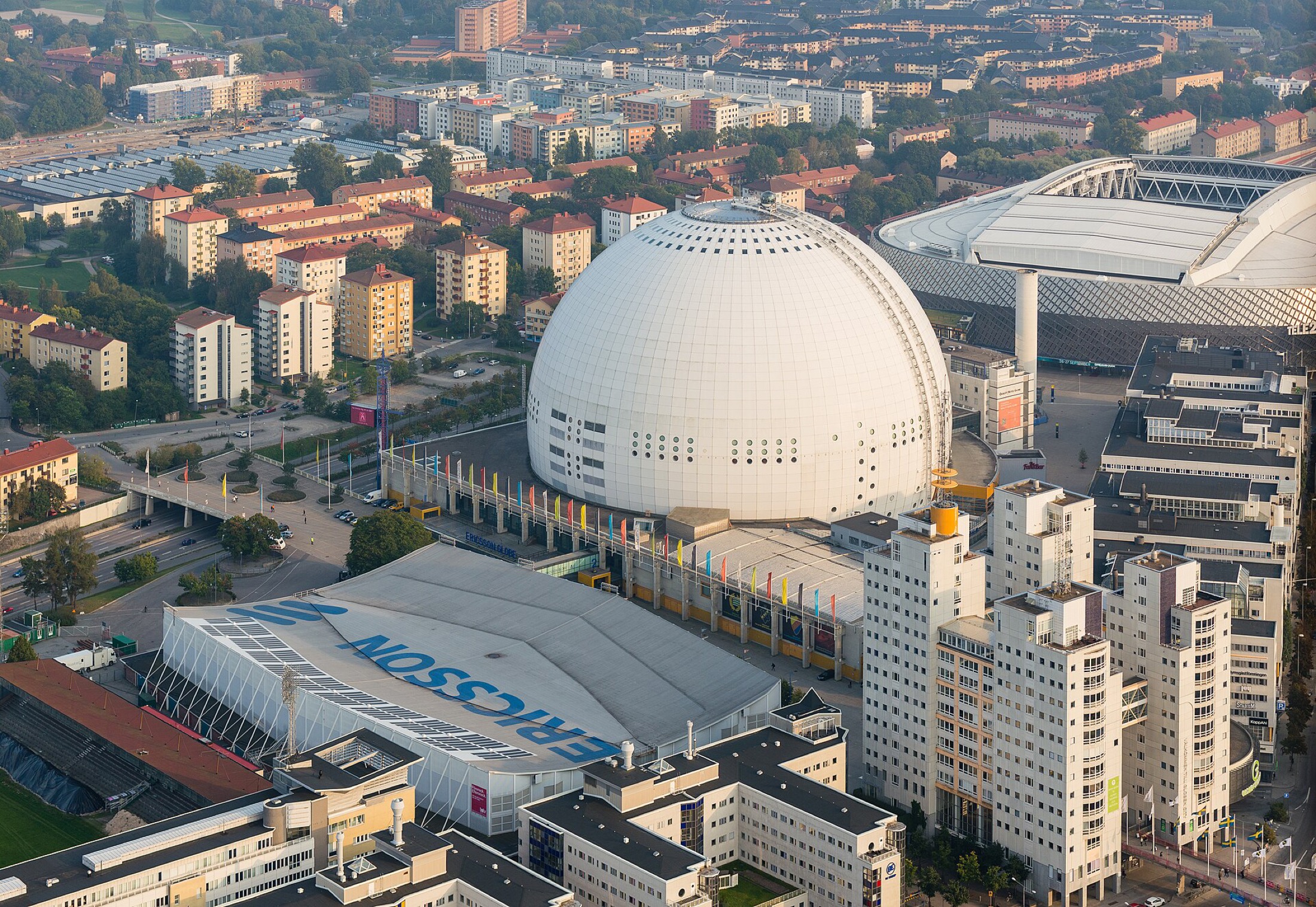
Indoor ice creates a demanding climate. IRM coordinates humidity control, ventilation and air movement so the building supports the surface instead of fighting it.
INDOOR CLIMATE
Fog, frost and condensation affect ice quality, visibility, comfort and building durability.
We review indoor and outdoor design conditions, spectator load, door openings, ventilation strategy, ceiling height, lighting and the target surface temperature. The equipment direction then reflects the actual venue rather than a generic air-treatment allowance.
Review your HVAC brief ↗WHAT THE PACKAGE SOLVES
Air treatment should be coordinated with refrigeration and building controls from the earliest design stage.
Dehumidification direction based on moisture load, outdoor air, occupancy and the condensation risk at the ice surface.
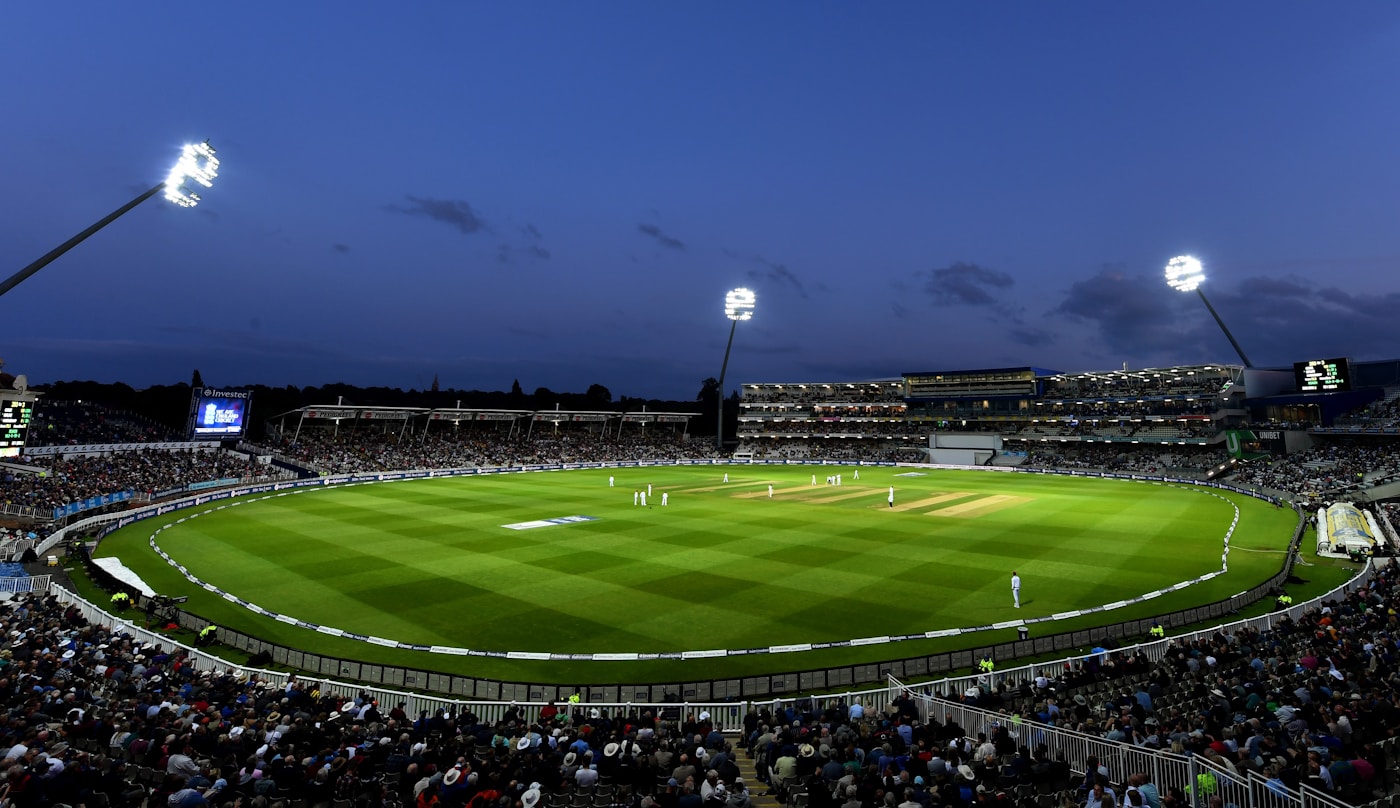
Diffusion, temperature stratification and spectator comfort considered alongside player performance and ice recovery.
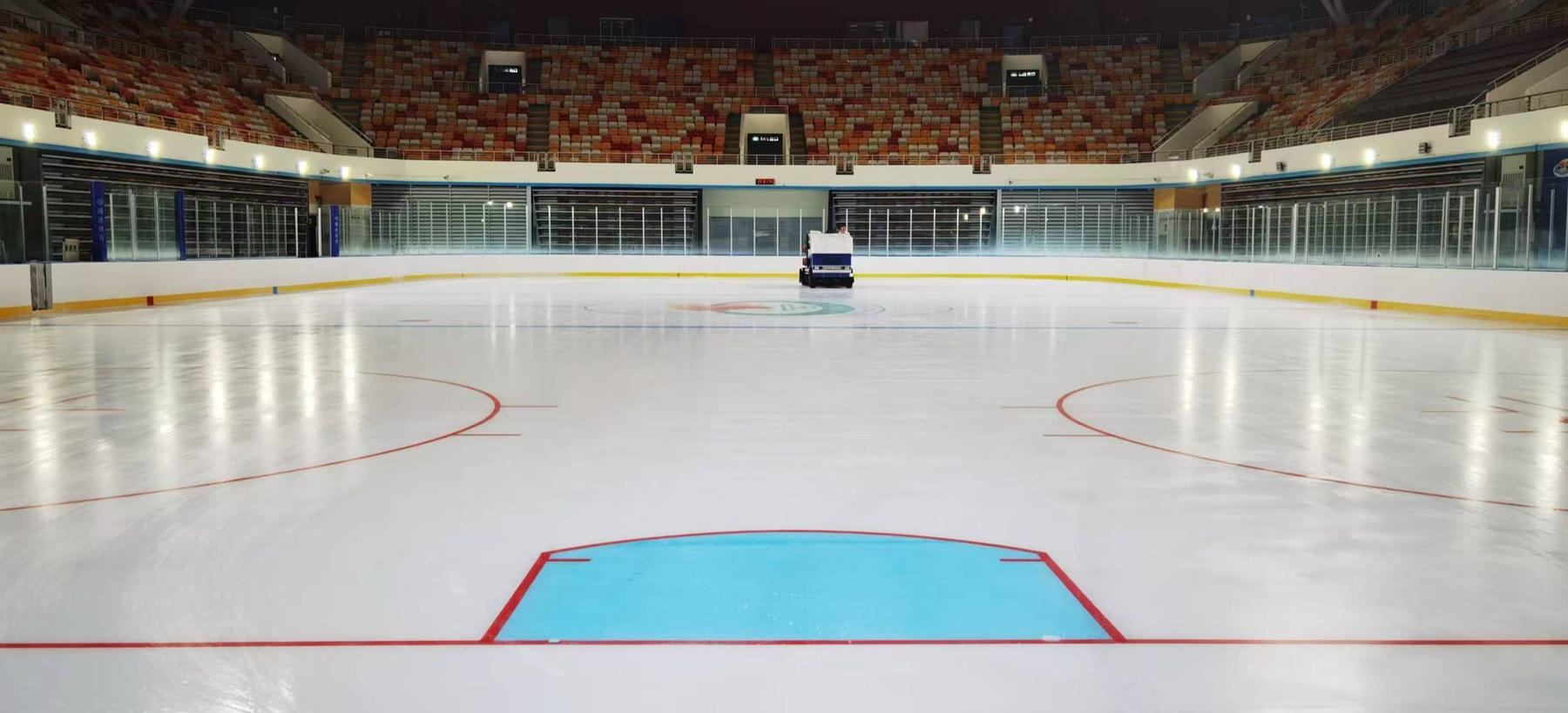
Condensation management for steelwork, roof structure, glazing, doors, seating areas and the wider building envelope.
COORDINATION POINTS
Clear responsibilities between the rink plant, HVAC contractor and controls team are essential at commissioning.
Outdoor climate, indoor temperature, relative humidity, audience density, door cycles and operating hours.
Humidity sensing, alarms, setpoints, ventilation demand, refrigeration interaction and commissioning access.
Clear sightlines, reduced frost and condensation, comfortable public spaces and operating data the team can use.
NEXT STEP
Share your city, rink size, building status and expected audience. IRM will help frame the humidity and HVAC questions that matter first.
Request an air-treatment review ↗